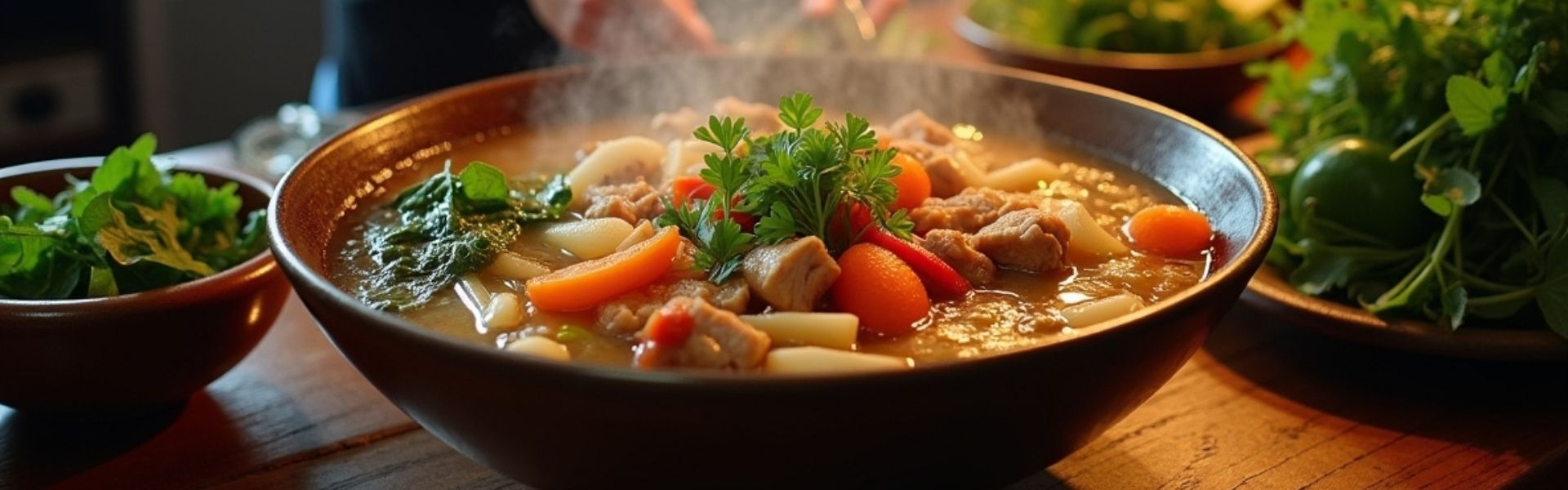
The Fusion of Food and Artificial Intelligence
Introduction: The AI Revolution in Food
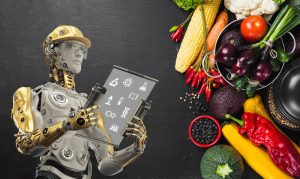
Imagine a world where your food knows you better than you know yourself—where every meal is perfectly tailored to your body’s needs, where farms operate with scientific precision, and where food waste is virtually eliminated. This isn’t a distant future fantasy; this is the reality of the food industry in 2025. Artificial Intelligence has moved from experimental labs to every corner of our food ecosystem, creating a seismic shift in how we grow, prepare, and experience what we eat. From the soil to the supper table, AI is serving up a revolution that’s smarter, more sustainable, and surprisingly personal.
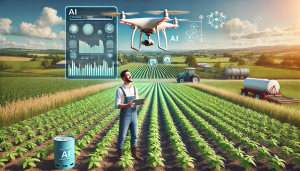
Smart Farming: AI for Sustainable Agriculture
The journey of AI-enhanced food begins where all food starts—in the fields. Today’s farms look more like tech campuses than traditional agricultural operations. Autonomous tractors navigate fields using GPS and computer vision, while AI-powered drones monitor crop health through multispectral imaging. These flying sentinels can detect pest infestations before they’re visible to the human eye and identify exactly which plants need water or nutrients. The result? Farmers are achieving unprecedented efficiency, reducing water usage by up to 30% and increasing yields while minimizing environmental impact. This is agriculture transformed from an art into a data-driven science.
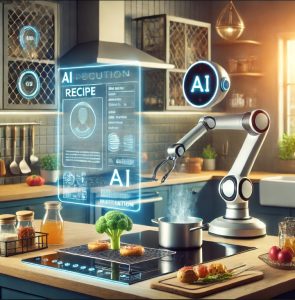
AI in the Kitchen: Smart Cooking & Automation
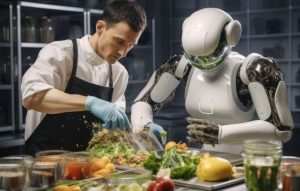
Step into a modern 2025 kitchen, and you’ll find AI working alongside humans as the ultimate sous-chef. Smart ovens now recognize what you’re cooking and automatically adjust temperature and timing for perfect results. Refrigerators inventory their contents, suggest recipes based on what’s available, and even order replacements before you run out. In commercial kitchens, AI-powered systems manage inventory, predict busy periods, and help chefs create new dishes by analyzing flavor compound databases. The most advanced restaurants feature robotic assistants that handle precise, repetitive tasks, allowing human chefs to focus on creativity and complex flavor development.
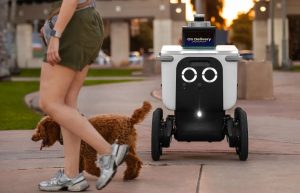
Food Delivery 2.0: Drones, Robots & Predictions
The familiar food delivery app has evolved into an intelligent prediction engine. AI doesn’t just show you restaurants—it knows what you’re likely to crave based on your schedule, the weather, and even your recent physical activity. Delivery itself has been transformed by autonomous vehicles, drones, and sidewalk robots that optimize routes in real-time to ensure your food arrives hot and fresh. These systems continuously learn from millions of deliveries, constantly improving efficiency and reducing the environmental cost of getting food from restaurant to doorstep.
Personalized Dining: Data-Driven Customer Experiences
In 2025, personalized nutrition has become the norm rather than the exception. Restaurants use AI to analyze your dietary preferences, health goals, and even genetic information to suggest perfect menu items. When you scan a QR code at your table, the system might recommend dishes based on your previous visits or current nutritional needs. Some forward-thinking establishments are even experimenting with mood-aware dining, where the ambiance, music, and even food presentation adapt based on detected customer emotions through anonymous facial analysis.

Food Safety & Quality: AI-Powered Monitoring
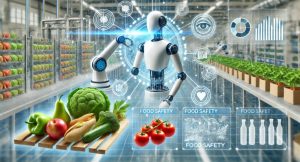
Food safety has entered a new era of precision and prevention. AI systems now monitor the entire supply chain, from harvest to distribution, identifying potential contamination risks before they become problems. Smart sensors in storage facilities track temperature, humidity, and other factors that could affect food quality. Computer vision systems inspect products with superhuman accuracy, spotting imperfections or contaminants that might escape human notice. The result is a food supply that’s not only safer but consistently higher in quality.
Marketing & Supply Chains: Smarter Business Decisions
Behind the scenes, AI is optimizing the business of food like never before. Predictive algorithms help restaurants and grocery stores anticipate demand, reducing overordering and minimizing waste. Marketing has become hyper-personalized, with AI analyzing customer data to create targeted campaigns that actually match individual preferences and needs. In supply chain management, AI coordinates complex logistics, rerouting shipments around weather events or traffic delays, and ensuring that fresh produce moves from farm to store in the most efficient way possible.
Ethics & Innovation: The Human Side of AI in Food
As AI transforms the food landscape, important questions about ethics and employment have emerged. While some routine jobs have been automated, new roles have emerged in AI supervision, data analysis, and tech maintenance. The industry faces ongoing challenges around data privacy, algorithmic bias, and ensuring that AI benefits all segments of society. The most successful companies have found that the perfect recipe combines AI efficiency with human creativity and empathy—using technology to handle repetitive tasks while empowering people to focus on innovation and personal connection.
The Future Plate: What’s Next Beyond 2025
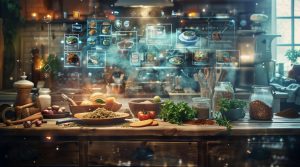
The AI food revolution is just getting started. Looking ahead, we see the emergence of generative AI that can create entirely new recipes and flavor combinations, potentially inventing culinary categories we can’t yet imagine. 3D food printing is becoming more sophisticated, capable of creating customized meals with precise nutritional content. AI is also accelerating the development of alternative proteins, analyzing thousands of plant combinations to create better textures and flavors. The future promises even more personalization, with AI potentially designing eating plans that adapt to your daily health metrics in real-time.
Conclusion: A Smarter, Tastier Tomorrow
The AI transformation in the food industry represents one of the most significant shifts in how we interact with what we eat. This isn’t about replacing human connection or culinary artistry—it’s about enhancing every aspect of our food experience.
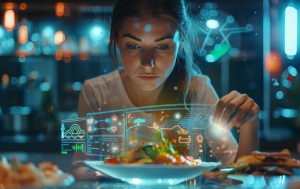
AI helps farmers grow more with less, enables chefs to create more inspired dishes, ensures our food is safer, and helps each of us make better choices for our health and the planet. As we move forward, the most successful approach will blend technological innovation with human wisdom, creating a food future that’s not just smarter, but more delicious, more sustainable, and more satisfying for everyone. The revolution is here, and it tastes incredible.